 How-to
How Can I Manage Driving Anxiety in Aberdeen Traffic?
Last Updated: November 2, 2026
Quick Summary
Driving anxiety in Aberdeen traffic is manageable when you name your specific triggers, then build confidence through a graded plan that moves from quiet residential streets to busier roads. Practise slow breathing before difficult manoeuvres, and tell your instructor how you feel so they can adjust the lesson. Progress only when each stage feels routine.
- Name the three situations that worry you most, such as roundabouts or merging.
- Breathe in for four counts and out for six before a difficult manoeuvre.
- Move up a stage only when the current one feels routine, not merely survivable.
- Automatic lessons remove clutch and gear management, helping nervous learners focus on the road.
- Pull over only in a planned, legal and safe place, checking mirrors and blind spot first.
Table of Contents
- Understanding Driving Anxiety in Aberdeen Traffic
- Step-by-Step: Building Confidence in Quieter Aberdeen Roads
- How to Stay Calm During Driving Lessons
- Manual vs Automatic Lessons for Nervous Drivers
- Finding a Patient Instructor in Aberdeen for Your Next Lesson
- Frequently Asked Questions
M&A Drive School teaches learners across Aberdeen, and many of our students arrive nervous about driving. Driving anxiety is common, and it can be managed. This guide explains what drives the fear, how to build confidence on quieter roads, how to stay calm during lessons, and how to choose between manual and automatic lessons. It also explains how to find a patient instructor in Aberdeen.
Understanding Driving Anxiety in Aberdeen Traffic
Driving anxiety is a fear or unease about being behind the wheel. It often comes from specific triggers rather than driving in general. Common triggers include roundabouts, busy junctions, merging, overtaking and cars pressing close behind.
Many learners feel the most pressure when traffic moves fast around them. Busy periods in the city centre can feel overwhelming at first.
A useful first step is to name your triggers. Write down the three situations that worry you most. This makes the fear specific and easier to work on.
- Note which road types make you tense
- Note the time of day when you feel most worried
- Note what your body does, such as a racing heart or tight shoulders
Step-by-Step: Building Confidence in Quieter Aberdeen Roads
Confidence grows through a graded plan, not through repeated exposure to the same difficult road. Our learner's guide to city centre lessons explains what to expect once quieter roads feel manageable. The aim is to move from streets where nothing unexpected happens to roads where you must read other drivers, and to stay at each stage until it feels routine rather than merely survivable.
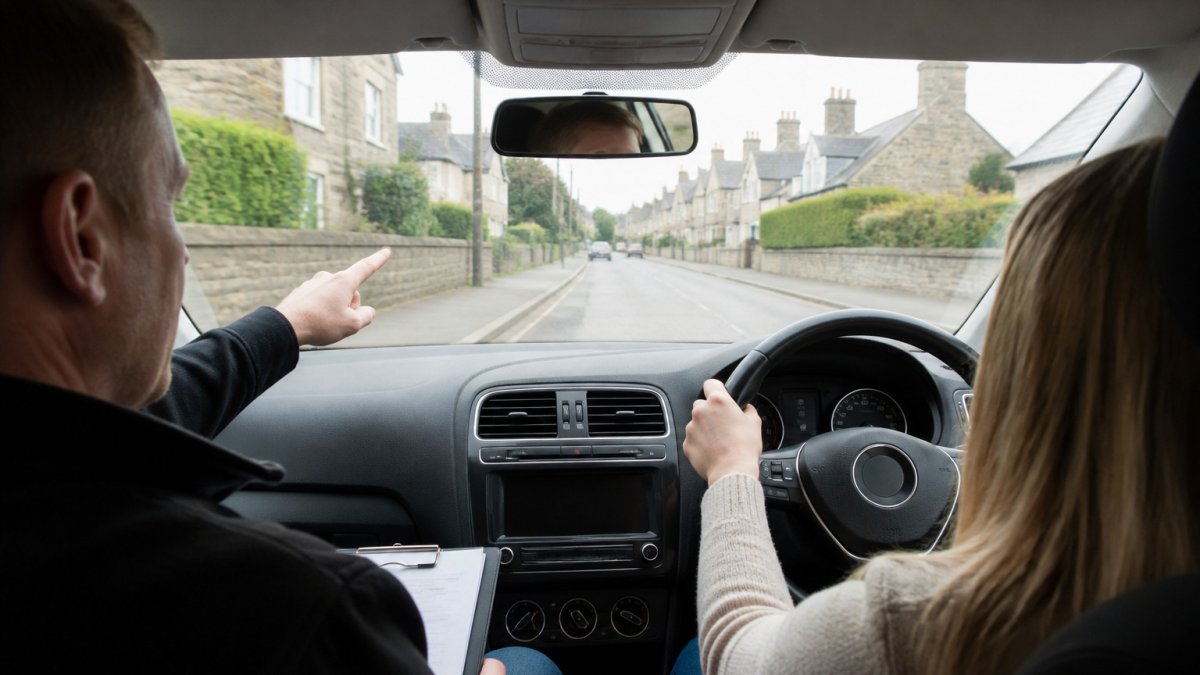
A workable progression for Aberdeen traffic looks like this:
- Familiar residential streets. Begin on the streets you already know, at quiet times, practising stopping, starting, steering and mirror checks at a calm pace. Repeat until you can drive a short loop without your shoulders tightening.
- Quiet junctions and simple roundabouts. Add one junction at a time, then a small roundabout with good visibility. Practise the approach, the observation and the exit separately before joining them into one manoeuvre.
- Short stretches of busier road. Join a busier road for a brief section, then leave it. The goal is a controlled taste of traffic, not a long ordeal.
- Multi-lane roundabouts and merging. Move on to roundabouts where you must choose a lane and merge with moving traffic. Practise at quieter times first, then at a moderately busy time.
- Busier periods and unfamiliar routes. Only once the earlier stages feel routine should you drive at busier times or on roads you do not know well.
Before moving up a stage, use a simple readiness check. You are ready when you can complete the current stage without needing your instructor to prompt observation, when your speed stays steady, and when you finish the drive feeling calm rather than relieved. If any of those is not true, repeat the stage rather than pushing on.
Plan practice around quieter times of day where possible. Short, regular sessions usually help more than one long drive, and repeating a stage is progress, not a setback.
Watch out: moving up a stage because a lesson is going well rather than because the current stage feels routine is the most common way confidence unravels, so let the readiness check decide, not the mood of the moment.
The graded plan below summarises each stage of building confidence in Aberdeen traffic.
| Stage | Practice focus | Move on when |
|---|---|---|
| Familiar residential streets | Stopping, starting, steering and mirror checks at a calm pace | A short loop no longer tightens your shoulders |
| Quiet junctions and simple roundabouts | One junction at a time, approach and exit practised separately | Observation is done without instructor prompts |
| Short stretches of busier road | A brief, controlled taste of traffic | Speed stays steady and you finish calm |
| Multi-lane roundabouts and merging | Choosing a lane and merging with moving traffic | Quieter practice feels routine first |
| Busier periods and unfamiliar routes | Drives at busier times on roads you do not know well | Earlier stages feel routine, not merely survivable |
How to Stay Calm During Driving Lessons
Staying calm is a skill you can practise, and it has two parts: what you do before a difficult manoeuvre and what you do if anxiety rises mid-drive.
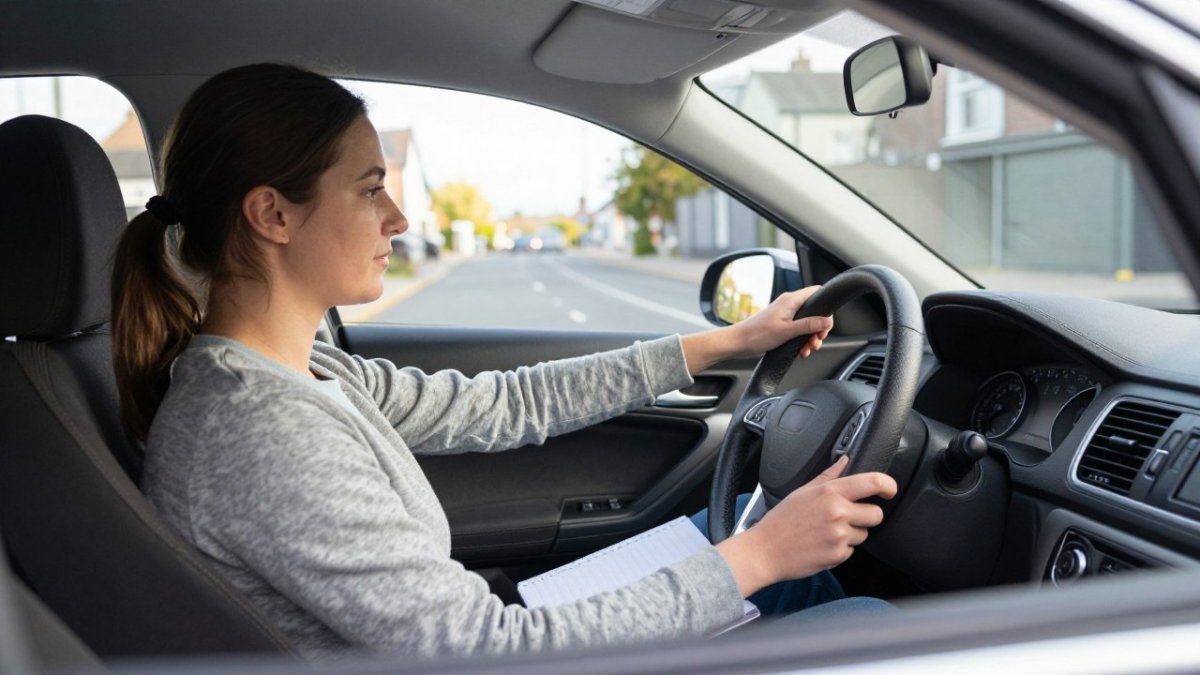
Before a manoeuvre, slow your breathing. Breathe in for four counts and out for six counts, and let your grip on the wheel loosen. A common pattern is for anxious drivers to hold their breath and grip harder, which makes steering jerky and raises tension further.
If anxiety rises while you are moving, the priority is to keep the car controlled and find a safe place to stop. Signal early, check your mirrors and blind spot, and pull over only where it is legal and safe to do so, such as a lay-by or a quiet side street. Do not stop on a clearway, at a bus stop, on a bend or anywhere your car would obstruct traffic or be hard for others to see. Once stopped, take a few breaths, tell your instructor how you feel, and resume only when you are ready. Your instructor will help you find a safe place to stop and will talk you through the restart.
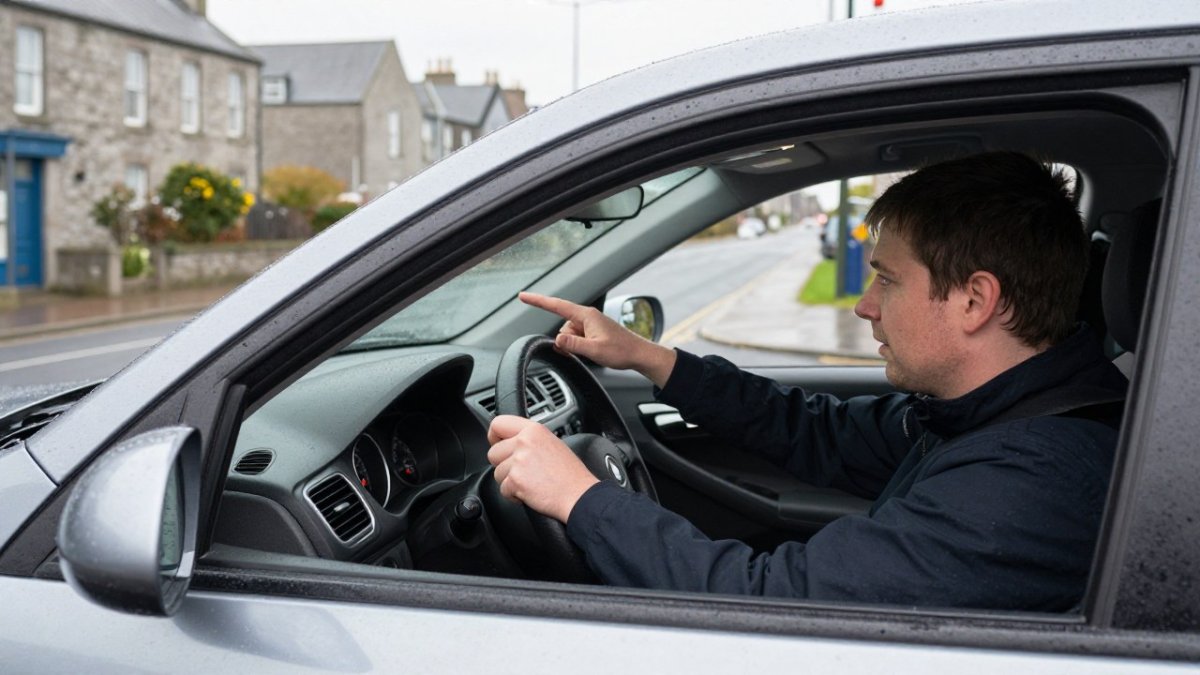
Telling your instructor how you feel gives them the information they need to adjust the lesson. Saying "I'm nervous about this junction" is more useful than staying silent, because it lets them break the manoeuvre into smaller steps or choose a quieter approach.
Watch out: pulling over in a hurry without checking mirrors and blind spot can be dangerous, so plan the stop rather than reacting to the feeling.
Manual vs Automatic Lessons for Nervous Drivers
Manual and automatic lessons suit different learners. Automatic cars remove the need to manage the clutch and gears, so many nervous learners find them easier to focus on road position and observation.
Choose the format that lets you concentrate on the road. M&A Drive School offers both manual and automatic lessons, so you can pick the option that suits you best.
Finding a Patient Instructor in Aberdeen for Your Next Lesson
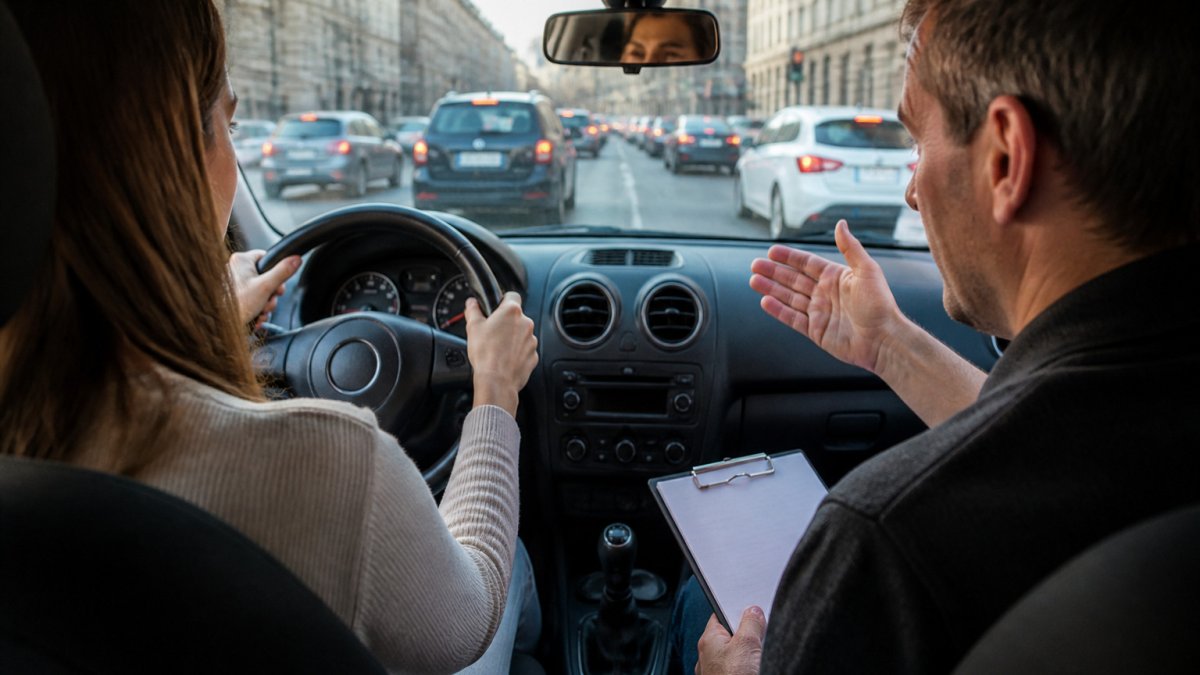
A calm, patient instructor makes a real difference for anxious learners. Look for an instructor who explains each step clearly and lets you progress at your own pace. Our instructors use a systematic teaching approach to help you track your progress.
Learners who prefer a female instructor can ask about availability when booking.
Previous students have described their lessons as calm and encouraging. One learner said the instructor was "very calm and encouraging, and helped me pass my test." Another said the instructor was "incredibly patient, kind, and thorough with her teaching."
If you prefer a female instructor, read our guide on How to Find Female Driving Instructors Available in Aberdeen. If you want a structured course, see how to book an intensive driving course.
Driving anxiety is manageable with the right pace and support. Start small, practise regularly, and choose an instructor who makes you feel safe. To begin your lessons with M&A Drive School in Aberdeen, get in touch and book your first session.
Frequently Asked Questions
How can I stop feeling nervous while driving in heavy traffic?
Start by planning routes away from peak hours and busy junctions, and allow extra time so you are never rushing. Practise slow, steady breathing before you pull out, and give yourself permission to stop safely in a quiet spot if you feel overwhelmed. Build exposure gradually: move from quiet residential roads to busier routes one step at a time, and only progress when each stage feels manageable. Most learners find that predictable routes and a calm pace reduce the feeling of being under pressure in traffic.
Are there specific techniques to help nervous drivers in busy urban areas?
Yes. Focus on scanning well ahead so you can prepare for junctions and roundabouts rather than reacting at the last moment. Use a simple checklist of mirrors, signals and positioning before each manoeuvre, which keeps your attention on a process instead of the traffic around you. Practising roundabouts in quieter locations first, then moving to busier ones, is one of the most effective ways to build confidence. Ask your instructor to talk you through each decision, as this reduces uncertainty during the drive.
How do driving instructors help with anxiety during lessons?
A good instructor sets a clear, structured plan so you always know what the next step is, which reduces uncertainty. They should explain each skill calmly, break complex manoeuvres into smaller parts and give specific, constructive feedback rather than general criticism. Lessons can also be paced to your comfort level, with breaks and the option to revisit a skill before moving on. Many nervous learners find that consistent instruction from one patient instructor helps them feel safer over time.
What is a reflection journal and how can it help with driving anxiety?
A reflection journal is a short written record you complete after each lesson, noting what went well, what felt difficult and what you want to work on next. Writing down specific moments of anxiety helps you identify triggers, such as particular junctions or times of day, and track your progress over several weeks. Reviewing your notes before the next lesson can reduce surprise and give you a clear focus. Discuss your journal with your instructor so they can tailor the practice plan to your needs.