 How-to
7 Steps to Pass Your Aberdeen Driving Test First Time
Quick Summary
To pass the aberdeen driving test first time, book your slot early through the official government service, bring your provisional photocard licence, and practise the local route features and manoeuvres with your instructor. Knowing how faults are graded and practising the Show Me Tell Me questions also helps you stay calm on the day.
- Book your test early through the official government service so you secure a slot.
- Bring your provisional photocard licence, because the examiner cannot start the test without it.
- Practise reverse parking, the right-hand pull-up, the turn in the road and the emergency stop until they feel routine.
- Serious or dangerous faults mean you do not pass, while minor faults do not automatically fail you.
- Answer the Show Me Tell Me vehicle safety questions confidently to start the test on a strong note.
Table of Contents
- What Happens During the Practical Driving Test
- Step 1: Book Your Test and Check Your Documents
- Step 2: Learn the Aberdeen Driving Test Routes
- Step 3: Master the Driving Test Manoeuvres
- Step 4: Practise the Show Me Tell Me Questions
- Step 5: Manage Driving Test Nerves on the Day
- Booking Your Next Lesson With M&A Drive School
- Frequently Asked Questions
What Happens During the Practical Driving Test
Last Updated: October 30, 2026
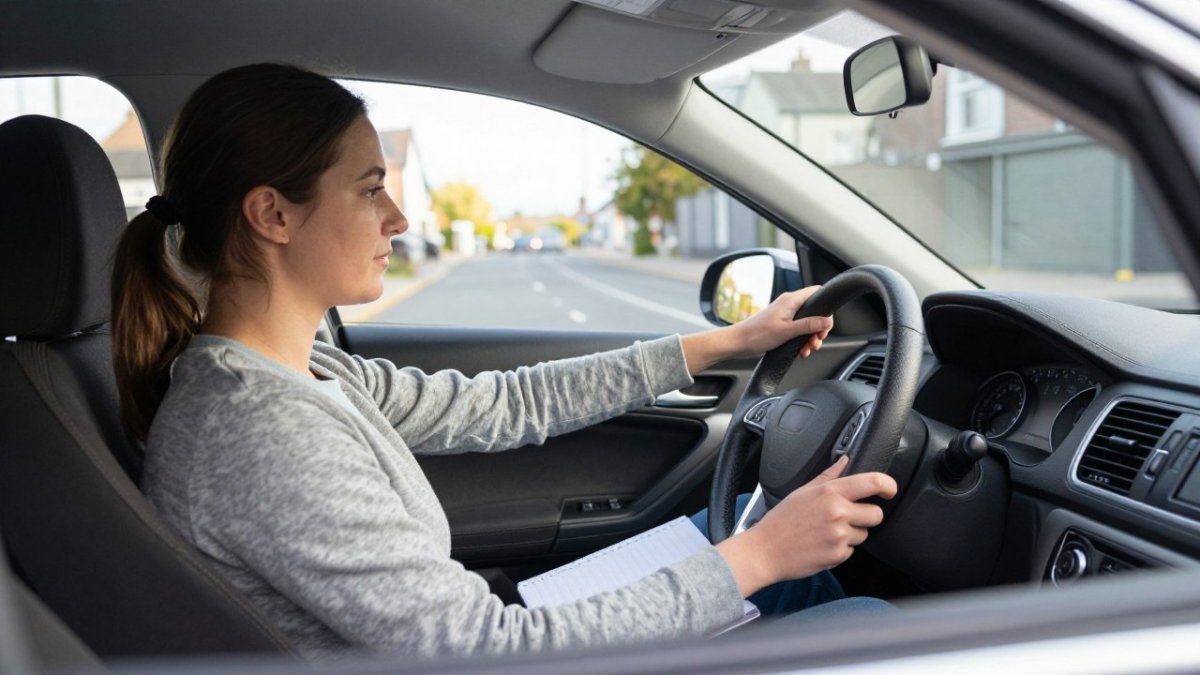
The practical driving test is the final stage of getting your full UK licence, and most learners find the aberdeen driving test less intimidating once they know exactly what to expect. At M&A Drive School, our instructors help learners understand the test process so they can feel prepared.
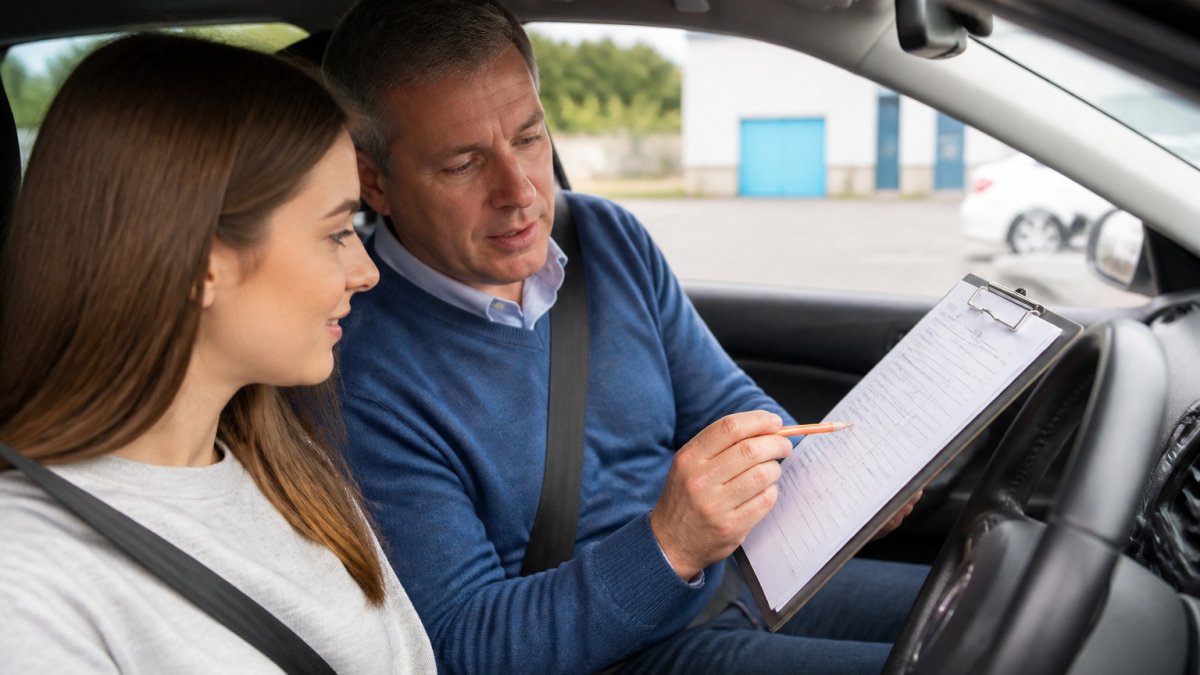
The test is conducted by a driving examiner who sits beside you and assesses how you drive in normal traffic conditions (Driving test: cars: What happens during the test). You drive independently for part of the test while following directions or road signs.
During the test, the examiner will ask you to carry out a number of manoeuvres and will look for how safely and calmly you handle the road. Faults are graded as either minor or serious, and a serious or dangerous fault means you do not pass (Driving test: cars: Driving test faults and your result).
The official guidance on what happens during the test, including what candidates must bring, is available from the relevant UK government source, and we recommend reading it before your test date.
Knowing the structure removes a lot of the guesswork. The sections below take you through each stage, from booking your test to managing your nerves on the day.
Step 1: Book Your Test and Check Your Documents
Booking early and checking your paperwork are the two tasks that stop most test-day problems before they start. Test slots can be booked through the official government service, so do not leave it too late.
Before you go, make sure you have your provisional driving licence, which must be the photocard version.
Arriving at the test centre with some time to spare can help you settle in before the test.
Watch out: Bring the correct licence. An examiner cannot start the test without it, and a missing document means you lose your slot and the fee.
Here is a quick summary of the key document and booking points covered above.
| Item | Requirement | Note |
|---|---|---|
| Licence | Provisional photocard licence | Examiner cannot start test without it |
| Booking | Official government service | Book early to secure a slot |
| Arrival | Some time to spare | Helps you settle in before the test |
| Missing document | Lose slot and fee | Bring correct licence every time |
Step 2: Learn the Aberdeen Driving Test Routes
Route familiarity is one of the most useful ways to build confidence before test day, but it works best when you practise specific local features rather than just driving around. Test routes from the two centres use different road networks, and knowing which hazards appear where helps you respond calmly instead of reacting late. You can also find a local guide to driving lessons in the city centre, where many of these routes are practised.
The two centres and their route characters
- Aberdeen North routes tend to head out towards Bridge of Don, the Parkway, and the A92 corridor, with a mix of urban junctions, dual carriageways, and rural-style roads where speed limits change quickly.
- Aberdeen South (Cove) routes often use the Bridge of Dee roundabout, the A956 Wellington Road corridor, and residential streets around Cove and Nigg, where lane discipline and observation at busy roundabouts are tested repeatedly.
You do not need to memorise every turn. What matters is recognising the type of hazard each area throws at you and having a routine for it.
Local hazards and how to respond
- Bridge of Dee roundabout: multi-lane approach with heavy traffic. Decide your lane early, match your speed to the flow, and use the MSPSL routine (Mirror, Signal, Position, Speed, Look) on approach. Do not drift across lanes mid-roundabout.
- Wellington Road corridor: frequent bus stops, pedestrian crossings, and filter lanes. Scan for pedestrians stepping out between buses and check mirrors before changing lane for a filter.
- Dual carriageways (Parkway, A92): watch for vehicles joining from slip roads. Maintain a steady speed, check blind spots before overtaking, and return to the left lane when safe.
- Residential streets around Cove and Nigg: parked cars narrow the road, so keep your speed low enough to stop within the distance you can see. Look for children, driveways, and reversing vehicles.
- Rural-style roads on the northern routes: speed limits change from national speed limit to 30 mph with little warning. Read the signs early and adjust speed before the limit changes, not after.
How to practise routes without over-relying on them
Use your lesson time to talk through each hazard as you approach it, and ask your instructor to run a mock test so you can review the drive together afterwards. That review is where the real learning happens: identify one or two junctions where your observation or speed was late, and practise those specific features on your next lesson.
Practising familiar road features can help learners feel less surprised on test day, so your attention stays on driving safely.
Ask your instructor which route features are most likely to matter for your test, and practise them until your routine feels automatic.
Step 3: Master the Driving Test Manoeuvres
The test usually includes a set of manoeuvres that you need to perform safely and under control. Examiners look at observation, control and awareness of other road users throughout each one.
Practise each manoeuvre until it feels routine:
- Reverse parking, either into a bay or along the kerb
- Pulling up on the right-hand side of the road
- Turning in the road to face the opposite direction
- Emergency stop, performed smoothly and safely
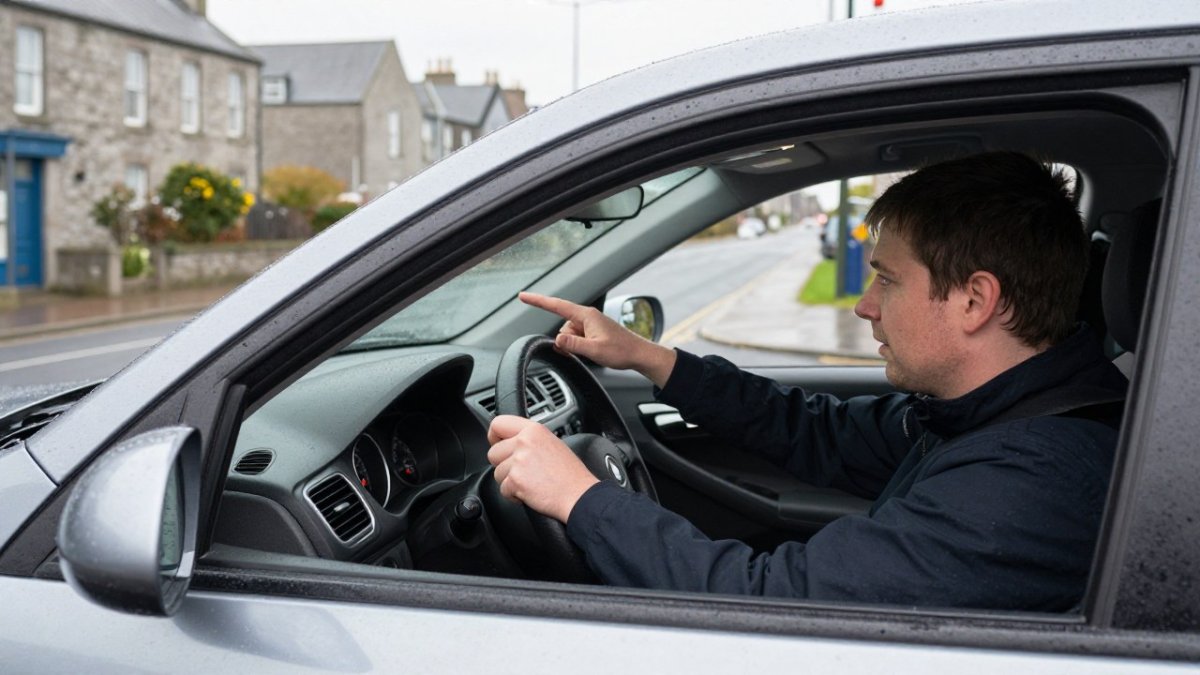
Check your mirrors and look over your shoulder before each movement. Examiners are not looking for speed. They want to see that you are in full control at every stage.
Step 4: Practise the Show Me Tell Me Questions
Before you drive, the examiner will ask you vehicle safety questions. These are the Show Me Tell Me questions, and they test your ability to check and identify basic vehicle features.
You should be able to:
- Tell the examiner how you would check the oil level safely
- Show how you would check the brake fluid level
- Demonstrate how the windscreen washer works
- Explain how to operate the horn and lights
Practise these questions with your instructor so you can answer them clearly and without hesitation. A confident answer at the start of the test helps you settle in for the drive.
Step 5: Manage Driving Test Nerves on the Day
Nerves are normal, and most learners feel them. The goal is to keep them from affecting your driving, and preparation and a plan for when things go wrong can help. If test-day nerves are a concern for you, you can read about instructors experienced with nervous learners.
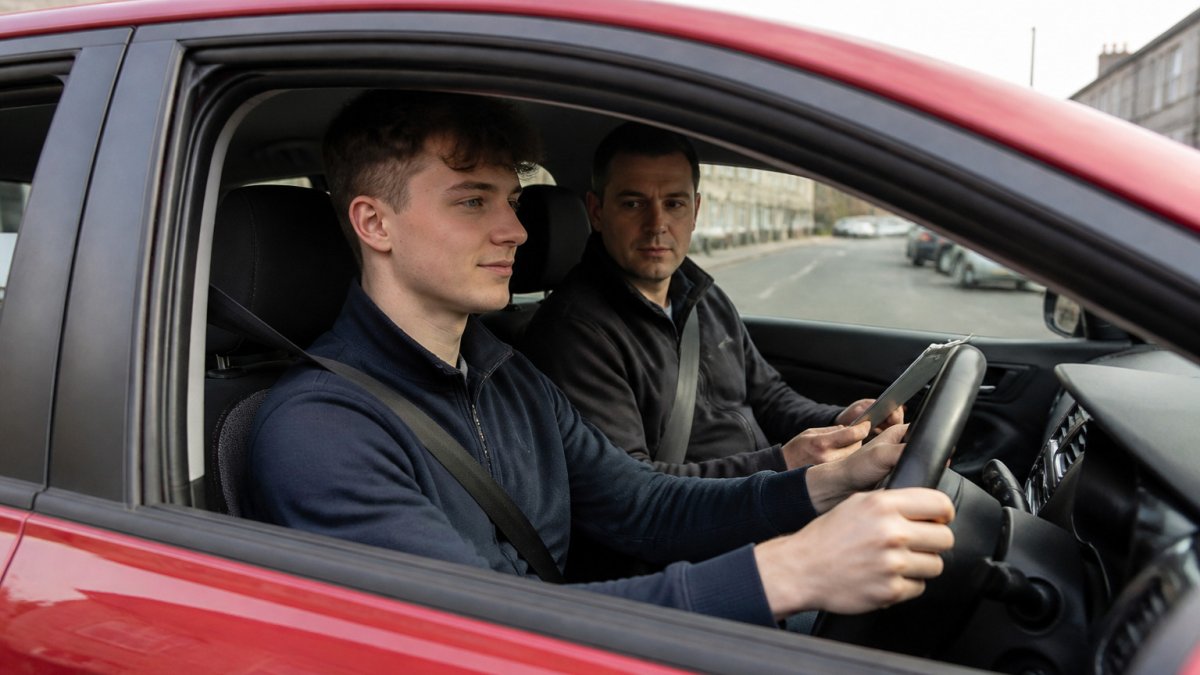
A test-day checklist to remove avoidable stress
Work through this the evening before and again on the morning:
- Photocard provisional licence, check it is in your wallet or bag the night before.
- Theory test pass certificate, bring it if your centre asks for it.
- Glasses or contact lenses if you need them to meet the eyesight standard.
- Arrive with a little time to spare, but not much earlier, as waiting around can raise nerves.
- Check the test vehicle is roadworthy: tyres, lights, washer fluid, and no warning lights on the dash.
If something goes wrong before the test
- Running late: call the centre as soon as you know.
- Forgotten licence: the examiner cannot start the test without it. Call the centre immediately to see whether your slot can be rearranged.
- Vehicle problem: if the test car develops a fault, tell the examiner before the test starts. A roadworthy vehicle is a requirement, and it is better to reschedule than to start in an unsafe car.
- Illness or a cancellation: if you are unwell, contact the centre rather than pushing through. A rescheduled test is better than a failed one.
Understanding faults so nerves do not spiral
The examiner records faults as minor, serious or dangerous. Serious and dangerous faults mean the test is not passed, and the official government guidance sets out how faults are graded (Driving test: cars: Driving test faults and your result).
Knowing this helps you recover mentally. A single minor fault is not a failure, and dwelling on it often causes the next mistake. If you make a minor error, acknowledge it internally, refocus on the next junction, and carry on.
Practical ways to settle nerves in the first five minutes
- Take slow, deep breaths before you start the engine, and set your seat and mirrors deliberately rather than rushing.
- Answer the Show Me Tell Me questions clearly, a confident start sets the tone.
- Focus on one junction or task at a time, and talk yourself through the MSPSL routine at each hazard.
- Remember that your instructor has already judged you ready; the test is a confirmation, not a new challenge.
At M&A Drive School, instructors are used to helping nervous learners prepare with calm, step-by-step practice, and a mock test can make the real day feel familiar. If you know which situations unsettle you, tell your instructor so those can be practised deliberately before test day.
The best nerve management is a checklist you have already completed and a routine you have already practised. Arrive early, bring the right documents, know how faults are graded, and treat a minor error as information rather than failure.
Booking Your Next Lesson With M&A Drive School
If this guide has shown you where your gaps are, the next step is structured practice. M&A Drive School offers manual and automatic lessons, theory support and flexible booking, with female instructors available for learners who prefer them.
Our systematic approach, including reflection journals, helps you track your progress from lesson to lesson so you know when you are genuinely ready. Many of our learners rate their instructors highly, with our school holding a 4.9 rating from 194 reviews.
To find a lesson time that suits you, book a driving lesson with M&A Drive School and start building the skills you need to pass first time.
Frequently Asked Questions
What happens during a practical driving test?
The practical driving test takes place over a set period. The examiner asks you to complete the Show Me Tell Me vehicle safety questions, then drives a route on local roads, which may include roundabouts, junctions and a set of manoeuvres. The examiner records driving faults (minor) and serious or dangerous faults, and the official guidance explains when a test is failed. Practising the full sequence with your instructor before test day is the most reliable way to become familiar with it.
What manoeuvres should I be confident with before my test?
Before your Aberdeen driving test you should be comfortable with the manoeuvres examiners commonly ask for, including reverse parking, parallel parking or bay parking, and pulling up on the right. Practise each one until you can complete it smoothly while checking mirrors and blind spots. Your instructor can help you understand what the examiner looks for in each manoeuvre.
How can I manage nerves on driving test day?
Nerves are normal, and most learners feel them. Arrive at the test centre with enough time to settle, avoid rushing, and focus on the next junction rather than the result. Practising your route and the test sequence under realistic conditions reduces uncertainty. If nerves are affecting your lessons, tell your instructor, who can build in extra practice and calmer routes until you feel ready.
Do I need to practise the Aberdeen driving test routes?
Familiarity with local roads helps, particularly busy roundabouts and main junctions around the city. Practising on local roads with your instructor lets you learn how traffic flows at each junction and builds observation habits. Route familiarity can support good driving, so focus on applying safe driving skills on any road.