 blog
Best Driving Instructors for Nervous Learners
Last Updated: October 23, 2026
Quick Summary
Driving instructors nervous learners need combine patience, systematic teaching, and understanding of anxiety through calm instruction and broken-down steps. The best instructors adapt to your pace, use structured approaches like reflection journals, and build confidence through small, repeated successes rather than rushing into complex driving.
- M&A Drive School has a 4.9 rating based on 194 reviews and uses reflection journals to help nervous learners track progress.
- Your first lesson should focus on familiarisation with controls, not intensive driving, and should feel slow and slightly underwhelming.
- Ask potential instructors about their experience with anxious learners and request a guaranteed same instructor for continuity.
- Automatic lessons remove gear changes, giving your brain more capacity for road awareness and decision-making.
- A good instructor will allow you to pause or pull over at any point and will not push you onto busy roads before you can comfortably move off and stop.
Table of Contents
- What Makes a Good Driving Instructor for Nervous Learners
- Driving Lessons for Nervous Learners: What to Expect
- Your First Driving Lesson: Managing Anxiety Before You Start
- Automatic Driving Lessons: A Calmer Alternative
- Finding a Patient Driving Instructor Who Understands Your Needs
- Questions to Ask Before Booking Your Lessons
- Building Confidence and Progressing Safely
- Frequently Asked Questions
What Makes a Good Driving Instructor for Nervous Learners
Finding the right driving instructors nervous learners need when you're anxious can feel overwhelming. A patient instructor versus one who rushes you is often the difference between passing first time and needing multiple attempts.
Driving instructors nervous learners trust combine specific qualities that go beyond basic teaching ability. They understand that anxiety isn't a weakness; it's a signal that needs addressing through calm, systematic instruction. According to the Driver and Vehicle Standards Agency's 2023 working as a driving instructor survey, the quality of instruction directly impacts learner outcomes and confidence development.
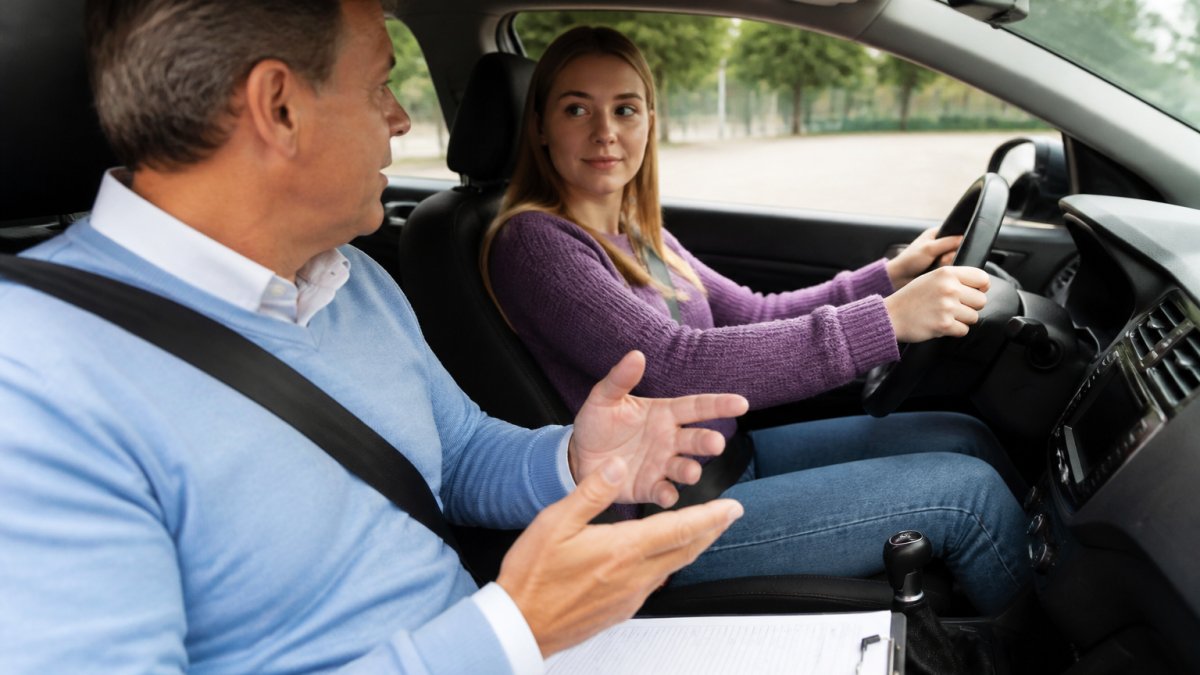
Exceptional instructors explain why you're doing something, not just what to do. They break manoeuvres into smaller steps and treat setbacks as learning opportunities.
Patient instruction also means flexibility: some learners need quieter routes first, others need more theory before practical skills. A good instructor adapts to your pace, not a fixed schedule.
Driving Lessons for Nervous Learners: What to Expect
Knowing what to expect from driving lessons for nervous learners removes one layer of anxiety, the unknown is often scarier than reality.
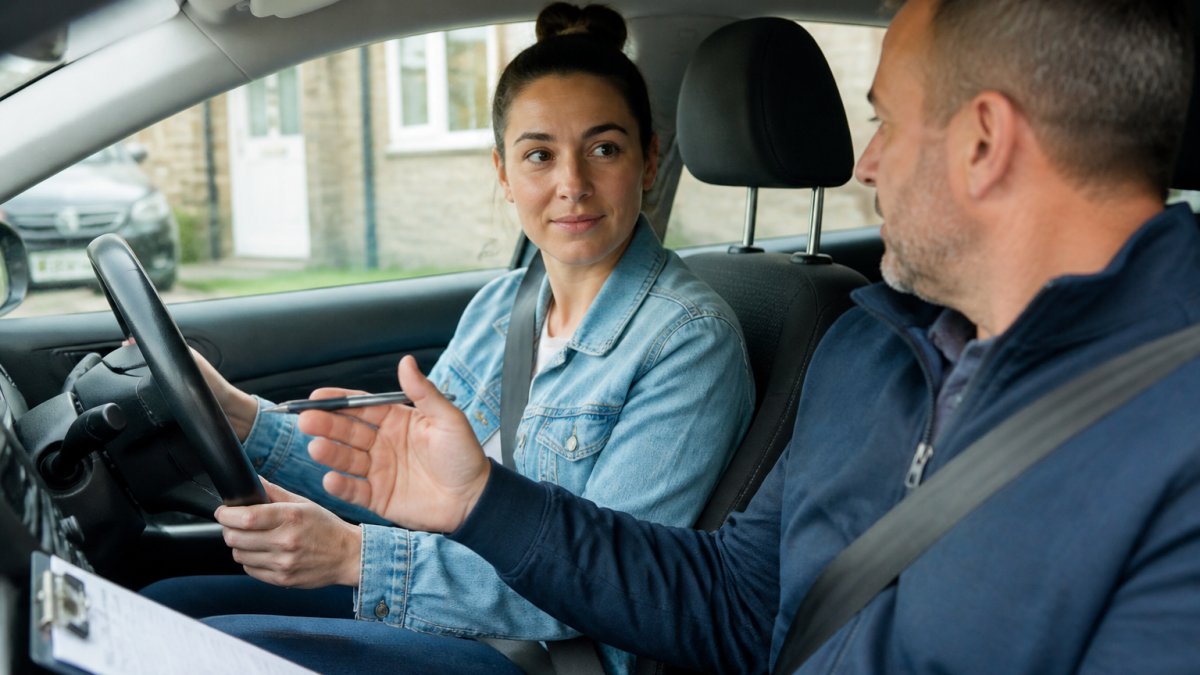
Your first lesson focuses on familiarisation, not intensive driving: you'll learn the controls, mirrors, seat and steering wheel before trying anything.
Most lessons follow a similar structure: a brief chat about the day's focus, a warm-up on a quieter road, then slightly harder scenarios, building confidence incrementally.
Lessons in Aberdeen often include familiar local routes before busier roads or unfamiliar areas, so you develop skills in lower-stress conditions first.
Expect honest feedback, framed constructively: "That was close. Next time, check your mirror earlier" rather than "You didn't check your mirror."
Your First Driving Lesson: Managing Anxiety Before You Start
The anticipation before your first lesson often creates more anxiety than the lesson itself. Knowing exactly what will happen, from meeting your instructor to switching off the engine, helps.
Contact your instructor a day or two before to confirm the meeting point and time, and ask practical questions: Where will we park? What should I bring? How long is the lesson?
On the day, arrive 5-10 minutes early and take a few slow, deep breaths before your instructor arrives, intentional breathing calms the nervous system faster than distraction.
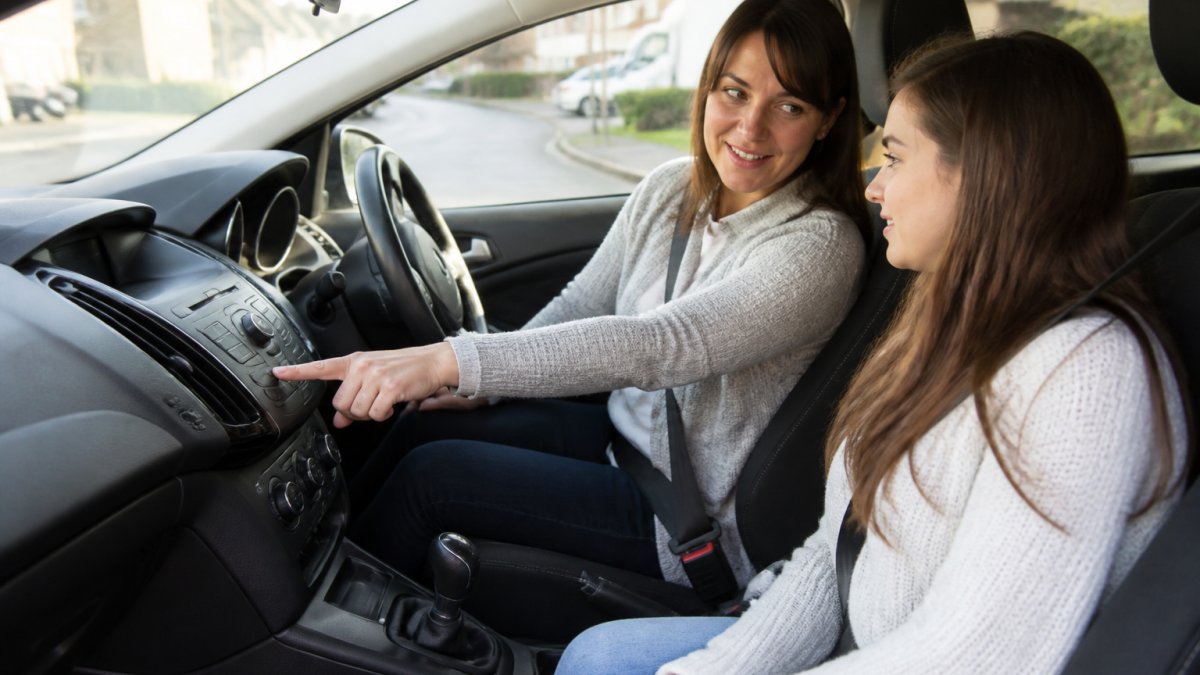
Here is a realistic outline of what a well-run first lesson for an anxious learner tends to look like. Timings vary by instructor and lesson length, but the sequence is a useful mental map:
- First 5-10 minutes: the meet and greet. Your instructor introduces themselves, confirms your name and any concerns you flagged when booking, and walks you to the car. You should not be asked to drive yet. This is the point to say, "I'm a bit anxious about this, so I appreciate patience." A good instructor will respond with reassurance and explain how the lesson will be structured.
- Next 10-15 minutes: cockpit drill. You sit in the driver's seat with the engine off. Your instructor talks you through the seat position, head restraint, mirrors, steering wheel grip, seatbelt, and the location of the pedals, gear lever (or selector), handbrake, indicators, and lights. You try each control while stationary. Nothing happens quickly, and you are not expected to remember everything.
- Next 10-15 minutes: moving off in a quiet spot. On a quiet residential street or a car park, your instructor demonstrates a simple moving-off and stopping sequence, then talks you through it as you try it. The focus is on clutch control (in a manual) or brake and accelerator control (in an automatic), not on speed or traffic.
- Middle of the lesson: short, repeated practice. You repeat moving off, steering gently, and stopping several times. Your instructor gives one or two corrections at a time, not a list. If something goes wrong, the car is dual-controlled and the instructor can intervene, which is worth asking about explicitly if it reassures you.
- Final 5-10 minutes: recap and next steps. Your instructor summarises what went well, what you will practise next time, and asks how you felt. This is the moment to say if a particular exercise felt overwhelming, so the next lesson can be adjusted.
Your first lesson is about familiarisation, not competence. If you finish feeling tired but not panicked, that is a successful first lesson.
Automatic Driving Lessons: A Calmer Alternative
For some nervous learners, automatic lessons offer a significant advantage: one fewer thing to think about. Manual transmission requires coordinating clutch, accelerator and gear changes; automatic eliminates the clutch entirely.
This genuinely helps anxious learners: with no gear changes, your brain has more capacity for road awareness, steering and decision-making, building confidence faster.
The trade-off: your driving test will be restricted to automatic vehicles only. If you later want to drive a manual, you'd need additional lessons and another test. For learners who'll only ever drive automatics, or who want to build confidence first, automatic lessons are an excellent choice.
Local providers in Aberdeen advertise automatic lessons for nervous learners, understanding that removing one variable helps anxious students focus on safe, confident driving.
Finding a Patient Driving Instructor Who Understands Your Needs
Choosing the right instructor matters more than lesson type, a patient, understanding instructor can make the difference between dreading lessons and looking forward to them.
Read reviews mentioning patience and calm teaching. Phrases like "very patient," "incredibly calm," or "helped me manage my anxiety" show the instructor has worked with nervous learners before.
Ask potential instructors directly about their experience with anxious learners. A good instructor won't be defensive; they'll say something like, "I break things down into small steps and we go at your pace."
M&A Drive School has built its reputation on working with nervous learners through a systematic teaching approach. With a 4.9 rating based on 194 reviews, many customers specifically mention how calm and encouraging their instructors are. One customer noted, "Zainab was very calm and encouraging, and helped me pass my test," while another said, "Zainab is an exceptional instructor!
Consider whether you prefer a male or female instructor, and say so upfront, many nervous learners feel more comfortable with a particular gender.
Questions to Ask Before Booking Your Lessons
Before committing to lessons, ask these specific questions. They go beyond "how much per hour" and probe what actually affects how safe and manageable lessons feel.
About instructor continuity: "Will I have the same instructor for every lesson?" Changing instructors repeatedly is a common reason nervous learners lose confidence, because each new instructor restarts the assessment process.
About the car and dual controls: "Does the car have dual controls?" and "What car will we use?" Dual controls mean the instructor can brake or steer if needed, legitimate reassurance for anxious learners.
About cancellation and rescheduling terms: "What is your cancellation policy?" and "How much notice do you need to reschedule?" Anxiety often comes with unpredictable days, and a rigid 48-hour window with a full-fee charge adds financial pressure.
Compare two or three providers side by side. The cheapest hourly rate is rarely best value for a nervous learner if it comes with a rigid cancellation policy, no continuity, or a rushing teaching style. A slightly higher rate with a patient instructor who guarantees continuity is usually the better investment.
Building Confidence and Progressing Safely
Confidence doesn't arrive suddenly. It builds through small, repeated successes, a manoeuvre executed correctly, a tricky junction navigated safely. Your instructor's job is to create conditions where these happen regularly.
This is where systematic teaching matters. Breaking complex skills into manageable steps means more frequent success, and each small win shifts your mindset from "I'm too nervous for this" to "I can handle this."
Progression should feel natural, not rushed. If you're not ready for a particular road or manoeuvre, a good instructor won't force it, pushing too hard too fast creates setbacks, not breakthroughs.
Keep a record of what you've accomplished.
Finding the right driving instructor for nervous learners in Aberdeen means prioritising patience, systematic teaching, and genuine understanding of driving anxiety.
Frequently Asked Questions
What should nervous learners look for in a driving instructor?
Look for instructors who prioritise a calm, client-centred approach and demonstrate patience with anxious learners. Ask about their experience working with nervous drivers and request references or reviews from similar learners. Confirm they explain things clearly, allow you to ask questions without pressure, and adapt the pace to your comfort level. Female instructors are available if you prefer, and some specialise specifically in confidence-building tuition for anxious learners.
Are automatic driving lessons easier for nervous learners?
Automatic lessons can reduce cognitive load by removing gear changes, allowing you to focus on steering, observation, and road positioning. This simpler control system often helps anxious learners build confidence faster in early lessons. However, the real benefit depends on your learning style and what aspects of driving make you most nervous. A patient instructor can help you decide whether automatic or manual tuition suits your needs best.
How can I feel more confident before my first driving lesson?
Familiarise yourself with the car's basic controls by sitting in it before your lesson starts. Ask your instructor to explain what you'll do during the first session, most focus on getting comfortable with the car rather than immediate road driving. Practise deep breathing or relaxation techniques beforehand, and remember that your instructor expects nervousness and is trained to work at your pace. Setting realistic goals for the first lesson, like simply getting comfortable with the steering and pedals, removes pressure.
Can I request a female driving instructor?
Yes, female instructors are available and many learners prefer them for comfort and confidence-building. When booking, clearly state your preference and confirm availability before committing. Some instructors specialise in working with nervous or anxious learners, combining calm teaching with systematic approaches to build your skills progressively. Always ask about the instructor's experience with nervous learners to ensure a good match.