 Ultimate guide
Structured Driving Lessons for Beginners: A Step-by-Step Guide
Last Updated: November 1, 2026
Quick Summary
Structured driving lessons for beginners follow a planned sequence in which each session builds on the last, setting out what you will learn, in what order, and how you will know when you are ready to move on. Rather than hoping each drive is used well, a structured course tracks progress through core skills, road awareness, practice between lessons and progress checks.
- A structured course covers core vehicle skills, road awareness, practice between lessons and progress checks.
- Your first lesson focuses on getting comfortable, and you are not expected to pass anything.
- Each stage has a readiness point you should meet before moving on to the next.
- Reflection journals record what went well and what felt unclear after each session.
- Errors that repeat between lessons should be brought to your instructor's attention.
Table of Contents
- What Structured Driving Lessons Involve
- What to Expect in a First Driving Lesson
- Driving Lesson Topics for Beginners, in Order
- How to Improve Clutch Control Between Lessons
- Tracking Progress With a Driving Lesson Checklist
- Common Beginner Errors and How Feedback Corrects Them
- Booking Your Next Lesson Plan With M&A Drive School
- Frequently Asked Questions
What Structured Driving Lessons Involve
Structured driving lessons for beginners follow a planned sequence, with each session building on the last. Rather than booking a drive and hoping the time is used well, a structured course sets out what you will learn, in what order, and how you will know when you are ready to move on. At M&A Drive School in Aberdeen, our instructors use a systematic teaching approach that includes reflection journals.
A structured course usually covers four things:
- Core vehicle skills, such as controls, mirrors, moving off and stopping
- Road awareness, including junctions, roundabouts and observation
- Practice between lessons, so skills are repeated rather than forgotten
- Progress checks, which show whether you are ready for the next stage
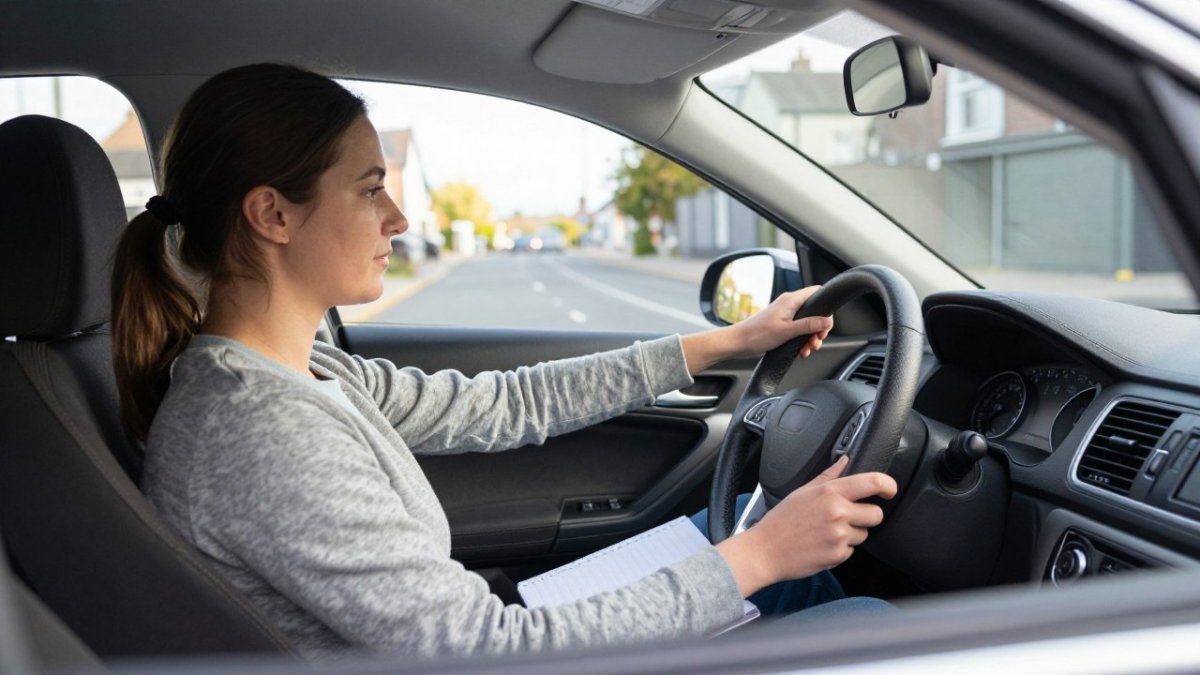
Our reflection journals ask you to note what went well and what felt unclear after each session, which gives you and your instructor a shared record to work from.
What to Expect in a First Driving Lesson
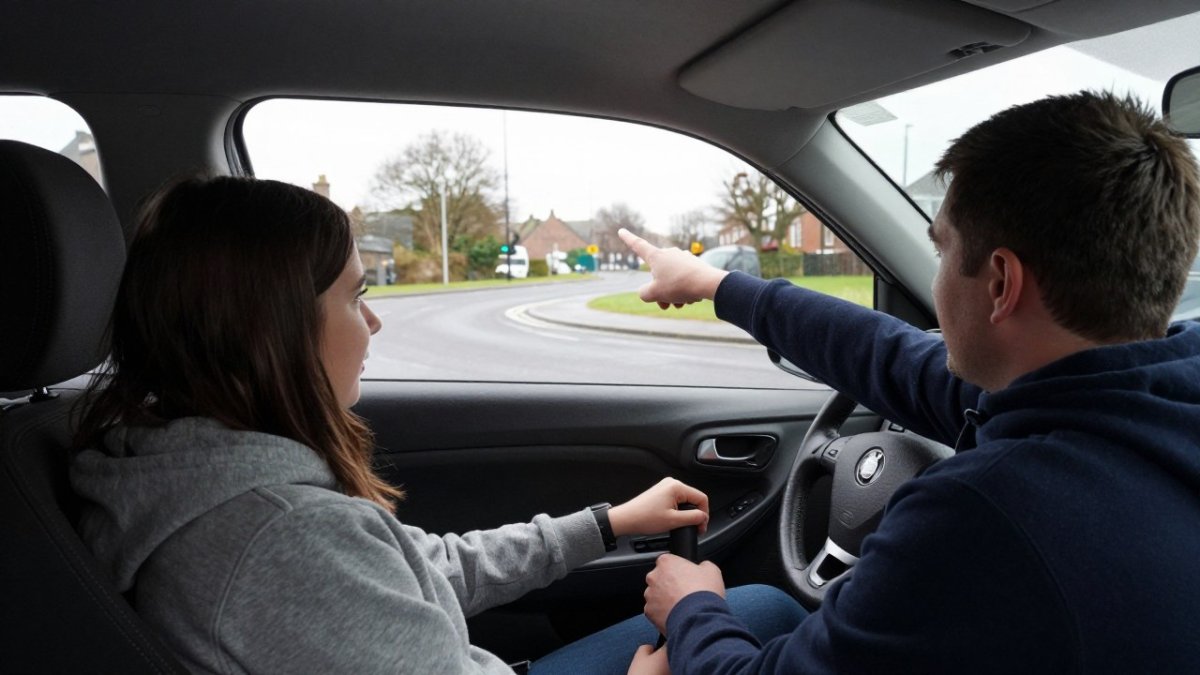
Your first lesson is about getting comfortable, not about driving far. Nerves are normal, and a good instructor will explain each step before asking you to do it.

You will not be expected to pass anything. The aim is to leave knowing what the next lesson will cover.
Preparing for Your First Lesson
Arrive with a clear idea of what you want to get from the course. Tell your instructor about any concerns, such as nervousness in traffic. Good preparation means you spend the lesson learning, not worrying about what happens next.
Cockpit Drill, Mirrors and Moving Off
Setting up the car properly is the foundation for everything else, because poor seating or mirror positioning makes observation harder.
Driving Lesson Topics for Beginners, in Order
A structured course teaches skills in a deliberate sequence, and the order matters because each new topic depends on the one before it being reliable. Our city centre lesson guide walks through how this sequence applies to lessons in Aberdeen's city centre. The table below sets out a general beginner progression and the readiness points that are commonly looked for at each stage. Your own pace will vary, but the sequence gives you a clear map of where you are and what comes next.
| Stage | Core skill | What you will practise | Readiness point before moving on |
|---|---|---|---|
| 1 | Cockpit drill and controls | Seat, mirrors, steering wheel, pedals, warning lights | You can complete the cockpit drill unaided and name each control |
| 2 | Moving off and stopping | Biting point, clutch control, smooth pull away and controlled stop | Three consecutive smooth pull aways and stops without stalling |
| 3 | Steering and basic handling | Steering technique, hand-over-hand, low-speed manoeuvring | You keep the car in lane on a quiet road with steady steering |
| 4 | Mirrors and observation | Mirror checks, blind spots, scanning ahead | You check mirrors before signalling and moving off without prompting |
| 5 | Road positioning | Lane discipline, meeting traffic, parked cars | You hold a safe position through bends and narrow sections |
| 6 | Junctions and priority | T-junctions, emerging, give-way rules | You emerge safely with a full observation sequence each time |
| 7 | Roundabouts | Lane choice, signalling, observation on approach | You select the correct lane and signal on approach consistently |
| 8 | Busier traffic and hazards | Following distance, speed control, hazard perception | You anticipate hazards and adjust speed smoothly |
| 9 | Test-standard manoeuvres | Parallel park, bay park, pull up on the right | You complete each manoeuvre with controlled observation |
Later stages build directly on earlier ones, so a stage that feels shaky is worth revisiting before moving on.
How to Improve Clutch Control Between Lessons
Clutch control is a skill many beginners find challenging, and it benefits from practice between lessons. Practise in a safe, empty space, and keep sessions short so you stay focused.
A common mistake is rushing the clutch to avoid stalling. Slowing down and letting the engine tell you when to release is more effective.
Tracking Progress With a Driving Lesson Checklist
A progress checklist keeps your learning measurable. Note each topic you have covered, rate how confident you feel, and mark anything you need to revisit.
Using your reflection journal alongside the checklist gives you a fuller picture.
Common Beginner Errors and How Feedback Corrects Them
Many beginners make the same handful of errors, and each has a common cause and a practical correction.
| Common error | Why it happens | Instructor cue or correction |
|---|---|---|
| Looking at the road directly ahead | New drivers fixate on the bonnet or the car in front | Instructor asks you to lift your gaze to the furthest point you can see and scan back towards the car |
| Releasing the clutch too quickly | Nerves and the wish to get moving | Instructor talks you through the biting point slowly, then has you hold it before releasing |
| Steering hand-over-hand at the wrong moment | Habit from other activities or rushing | Instructor demonstrates the correct hand position and has you practise at low speed |
| Checking mirrors after signalling | The signal feels like the first step | Instructor builds a fixed sequence: mirrors, signal, manoeuvre, repeated until automatic |
| Braking too late or too hard | Underestimating stopping distance | Instructor sets a marker and has you begin braking earlier, then adjust |
| Losing lane position on bends | Steering input too late or too much | Instructor has you look through the bend and make small, smooth corrections |
A useful habit is to note in your reflection journal any error that came up more than once in a session.
Booking Your Next Lesson Plan With M&A Drive School
If you are ready to start a structured course, M&A Drive School offers manual and automatic driving instruction in Aberdeen, with female driving instructors and a flexible booking system. Our lessons include reflection journals to track your progress. You can book now to start your lessons.
Frequently Asked Questions
What happens in a beginner driving lesson?
A beginner lesson usually centres on one or two focused skills, such as moving off, steering or stopping. A structured lesson sets a clear goal at the start, so you know what to practise before the next session.
How are driving lessons structured for beginners?
Well-planned lessons follow a sequence, starting with vehicle controls, then moving to moving off and stopping, steering, observation and road positioning. Each lesson builds on the last. Many learners find this order makes new skills easier to absorb and less overwhelming.
What should I learn in my first driving lesson?
Your first lesson should focus on getting comfortable in the car: adjusting the seat and mirrors, understanding the main controls, and practising the cockpit drill before the engine starts. Do not worry about passing a test at this stage. The aim is to build confidence and a clear understanding of what each control does.
How many driving lessons does a beginner need?
The number of lessons varies from learner to learner, depending on prior experience, how often you can practise and how quickly you pick up new skills. Rather than counting hours in advance, many learners find it more useful to judge readiness against the skills in a progress checklist.
How can beginners practise clutch control?
Clutch control is best practised in short, focused sessions. Between lessons, you can revisit the same exercises, keeping sessions short and calm, and noting which part of the movement still feels unpredictable so you can raise it with your instructor.
What should I do after each driving lesson?
After each lesson, review the skills you covered and note anything that still feels uncertain. Write down one or two points to practise before the next session, and mark progress on a checklist. A brief reflection, such as a short journal entry, helps you spot patterns in your learning.
Can beginners learn in a manual or automatic car?
Yes. Beginners can learn in either a manual or an automatic car. Manual lessons teach clutch and gear control in addition to steering and observation, while automatic lessons let you focus on the road earlier. The right choice depends on the type of car you plan to drive after passing your test, so it is worth discussing this with your instructor when you book.